Graphite
Native-element mineral
Graphite is a soft, grey-black mineral made entirely of carbon. It often appears as shiny flakes in metamorphic rock and can leave a dark mark because its layers separate easily. The same element also forms diamond, but the two minerals have different structures and very different physical behaviour.12
- Colour
- Steel-grey to black
- Hardness
- 1–2Mohs12345678910
- Crystal system
- Hexagonal (common form)
- Streak
- Black to steel grey
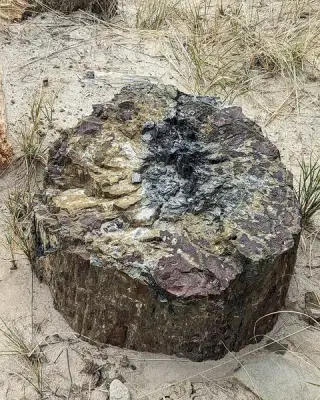
Look for a steel-grey to black surface with a muted metallic shine. Flakes may stack like tiny thin sheets, while a fine-grained mass can look earthy rather than sparkly. Graphite commonly feels slippery and may smudge a finger or paper when handled; an important specimen need not be rubbed deliberately just to prove that point. In a schist, it can make scattered grey scales or dark bands among lighter minerals. Large, clean crystals are less typical than aggregates. Its very low hardness and easy separation along layers distinguish it in hand from many darker, more robust minerals, though photographs cannot show either property well. A black mark alone is not a safe final identification because charcoal and other powders can mark surfaces too.12
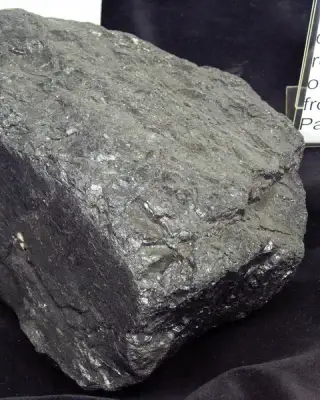
Coal can be black and dull, but it is a sedimentary organic rock rather than a single crystalline carbon mineral. Molybdenite also makes soft grey metallic flakes; it has a different composition and can look almost identical in a close image. Dark mica splits into sheets but usually forms harder, more elastic plates. A photograph of a dusty black coating seldom settles the difference, so the host rock, mineral association and, when needed, laboratory tests matter more than colour alone.134
Many commercial graphite deposits began as sediments rich in ancient organic carbon. Burial, heat and deformation during metamorphism gradually reorganised that carbon into ordered graphite layers. USGS distinguishes small flakes dispersed through metamorphic rock, fine-grained material from heated carbon-rich beds, and massive vein material in highly altered regions. The surrounding rock therefore helps tell the formation story: flakes in schist are not the same setting as a nearly pure vein. Some graphite is associated with pegmatite and other geological environments, so the name of the mineral alone cannot disclose a sample's entire history. Its softness comes from the layered crystal arrangement, not from a lack of carbon atoms.125
Graphite occurs in marble, schist and gneiss, as well as in certain veins and pegmatites. The British Geological Survey documents the famous Seathwaite deposit in Borrowdale, northern England; USGS describes deposits in the New Jersey Highlands and elsewhere in the United States. Occurrence does not mean a dark rock is an exploitable deposit. Grade, grain size, host material and origin records all matter, and an isolated specimen should not be assigned a precise origin from its grey sheen.1267
Graphite's easy-sliding layers make it useful in lubricants and pencil cores, while its electrical conductivity and heat resistance support batteries, motor brushes, high-temperature equipment and other industrial uses. “Pencil lead” is a traditional name; a modern graphite pencil core is not a rod of metallic lead. Natural and manufactured graphite serve different specifications, so the presence of a black flake in rock does not make it battery-ready material. The British Geological Survey also records historical use of Borrowdale graphite in crucibles and casting moulds. These uses depend on processing and material quality, not mystical properties of a raw sample.268
Abraham Gottlob Werner introduced the name graphite in 1789 from Greek graphein, “to write.” Earlier European names included “plumbago” and “black lead,” reflecting confusion with lead-bearing materials. The British Library describes how Borrowdale graphite helped develop writing pencils, and the British Geological Survey traces mining at Seathwaite to at least the sixteenth century. Those records concern drawing, trade and industry. They do not show that pencil users treated graphite as a charm for inspiration. The name's writing connection is real, but a present-day spiritual interpretation is a separate claim.169
Graphite has marked paper for generations, so Crystal Gemstone Shop calls it a “stone for writers and scribes” and ties it to creativity. AllCrystal gives it another present-day meaning: spiritual protection and grounding.1011
Specimen interest depends on clear crystal texture, association with other minerals and reliable locality records. Graphite flakes are easily rubbed away; protect them from scraping, avoid excessive washing, and separate delicate pieces from harder rocks. Handling a sound sample is different from breathing dust created during cutting or mining. USGS identifies fine mineral dust as a concern in graphite processing, especially because ore can contain other particles. Do not grind an unknown black rock or use it as a homemade cosmetic.12
- Is pencil “lead” made of lead?
- A graphite pencil uses carbon-rich material, commonly mixed with clay, despite the older name.
- Can graphite become diamond if I squeeze it?
- Both are carbon minerals, but their structures and formation conditions differ; pressing a hand specimen is not a way to turn one into the other.129
- “Graphite” — Mindat.org. Accessed 2026-10-01.Open source
- “Graphite Statistics and Information” — U.S. Geological Survey, National Minerals Information Center. Accessed 2026-10-01.Open source
- “Molybdenite” — Mindat.org. Accessed 2026-10-01.Open source
- “Coal” — U.S. Geological Survey. Accessed 2026-10-01.Open source
- “Graphite” — U.S. Geological Survey, Professional Paper 1802-J. Accessed 2026-10-01.Open source
- “Northern England: British Regional Geology, Graphite” — British Geological Survey. Accessed 2026-10-01.Open source
- “Mesoproterozoic graphite deposits, New Jersey Highlands” — U.S. Geological Survey. Accessed 2026-10-01.Open source
- “USGS MRP Color by Number: Graphite” — U.S. Geological Survey. Accessed 2026-10-01.Open source
- “The history of the pencil” — British Library. Accessed 2026-10-01.Open source
- “Graphite: Stone for Writers and Scribes” — Crystal Gemstone Shop. Accessed 2026-10-01.Open source
- “Graphite: Meaning, Properties, and Benefits You Should Know” — AllCrystal. Accessed 2026-10-01.Open source

 AmethystMinerals
 ObsidianIgneous rocks
 Rose quartzGemstones
 TurquoiseGemstones
 MoonstoneGemstones
 OpalGemstones
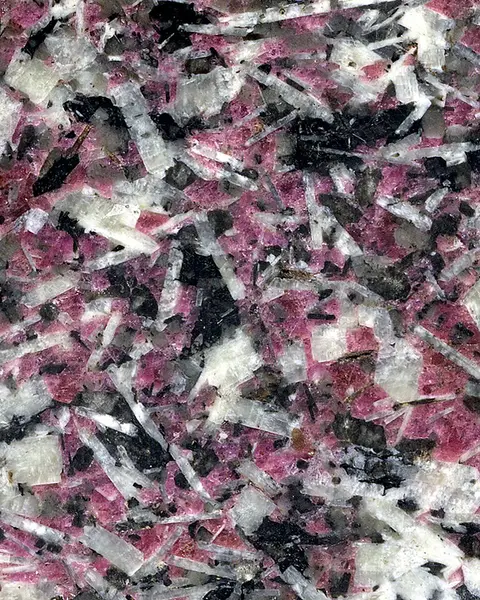 Stone of the dayEudialyteLove · SpiritEudialyte is a complex silicate that can give alkaline rocks streaks and masses of rose red. It belongs to a group of similar minerals, so a red specimen photograph may need a broader group label.Read about itkevinzim · CC BY 2.0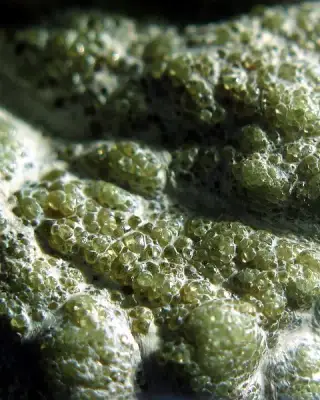
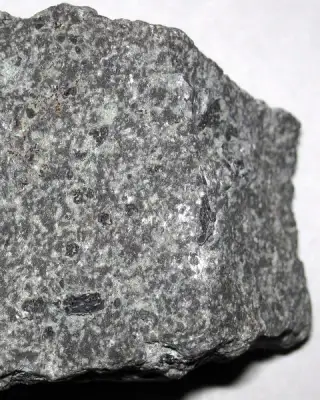 AndesiteJames St. John · CC BY 2.0
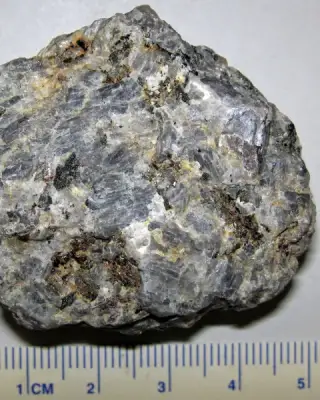 AnorthositeJames St. John · CC BY 2.0
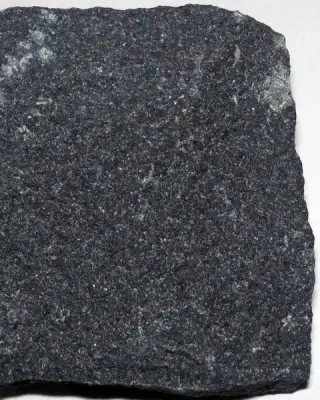 BasaltJames St. John · CC BY 2.0
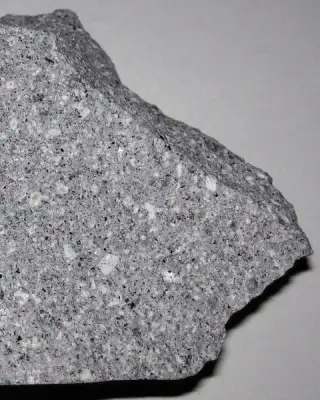 DaciteJames St. John · CC BY 2.0
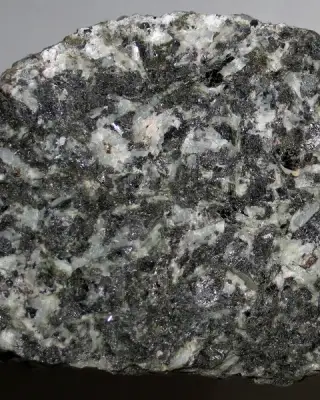 DiabaseJames St. John · CC BY 2.0
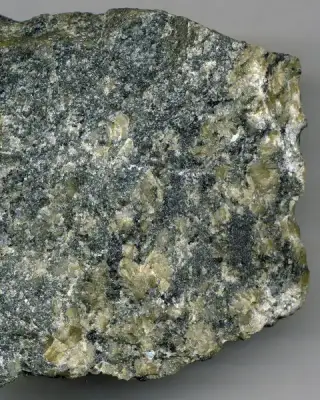 DioriteJames St. John · CC BY 2.0
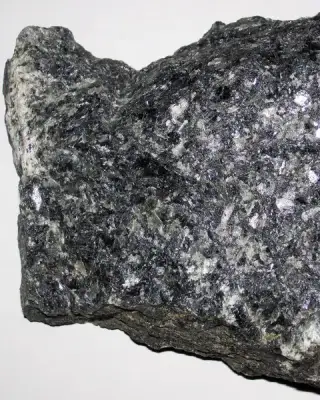 GabbroJames St. John · CC BY 2.0
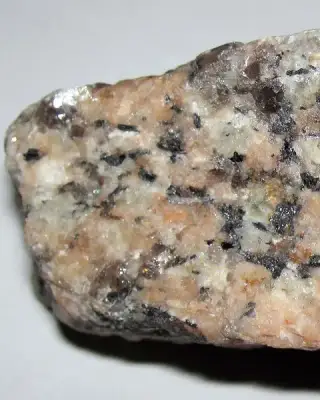 GraniteJames St. John · CC BY 2.0
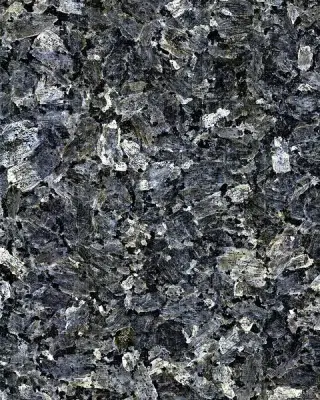 LarvikiteJames St. John · CC BY 2.0
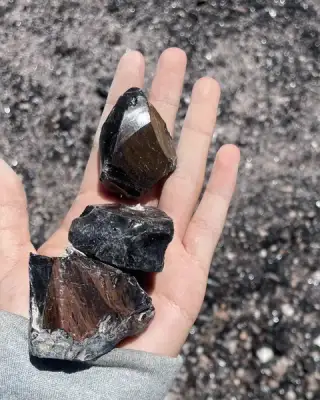 Protection·CourageMahogany obsidianMariana J. Espinoza · CC BY-SA 4.0
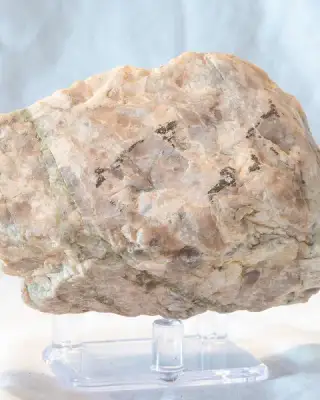 PegmatiteKevin M. Gill · CC BY 4.0
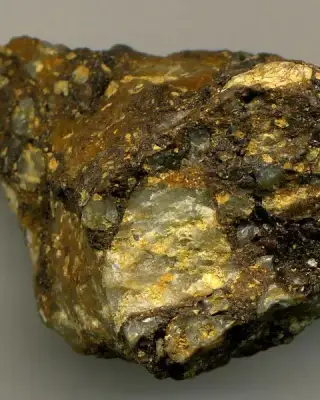 BrecciaJames St. John · CC BY 2.0
 ChalkJames St. John · CC BY 2.0
 ChertJames St. John · CC BY 2.0
 CoalJames St. John · CC BY 2.0
 ConglomerateJames St. John · CC BY 2.0
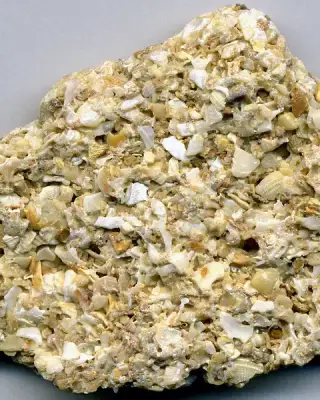 CoquinaJames St. John · CC BY 2.0
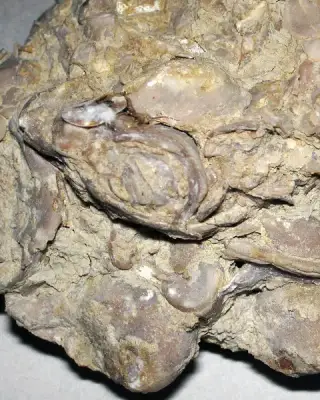 LimestoneJames St. John · CC BY 2.0
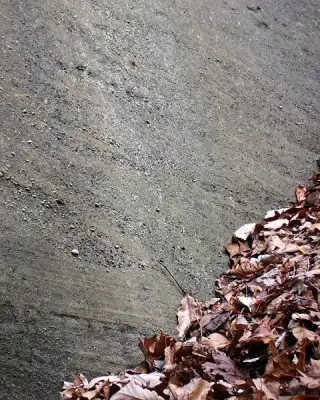 SandstoneJames St. John · CC BY 2.0
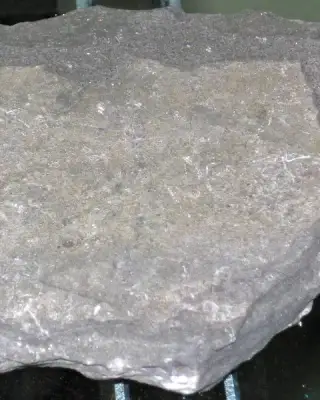 ShaleJames St. John · CC BY 2.0
 SiltstoneJames St. John · CC BY 2.0
 TravertineJames St. John · CC BY 2.0
 AmphiboliteJames St. John · CC BY 2.0
 GneissJames St. John · CC BY 2.0
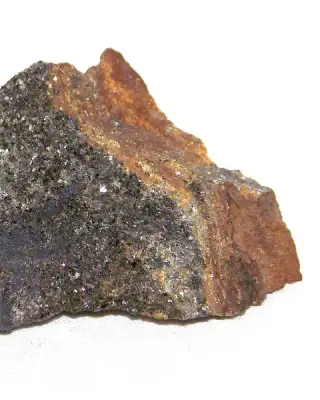 HornfelsPiotr Sosnowski · CC BY-SA 4.0
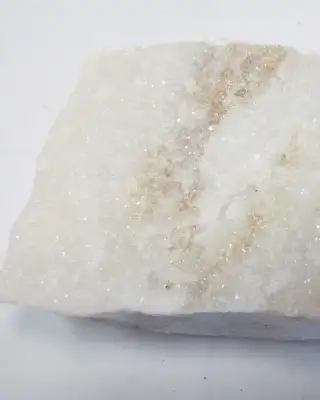 SpiritMarbleAmcyrus2012 · CC BY-SA 4.0
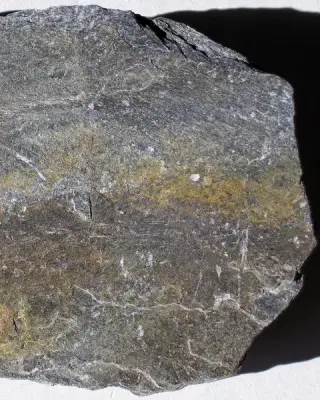 PhylliteJames St. John · CC BY 2.0
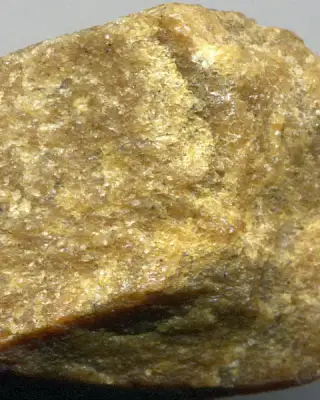 QuartziteJames St. John · CC BY 2.0
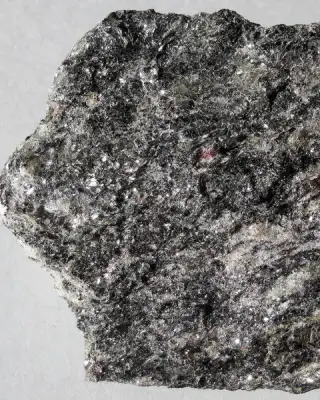 SchistJames St. John · CC BY 2.0
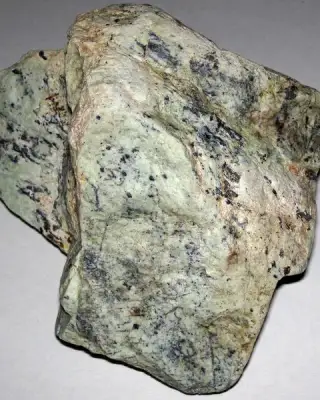 SerpentiniteJames St. John · CC BY 2.0
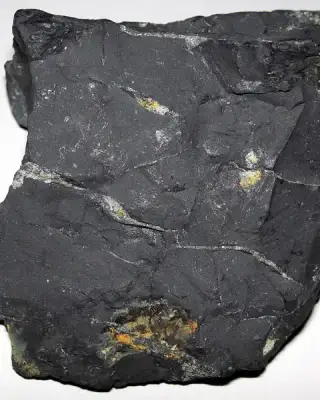 Grounding·Protection·CalmShungiteJames St. John · CC BY 2.0
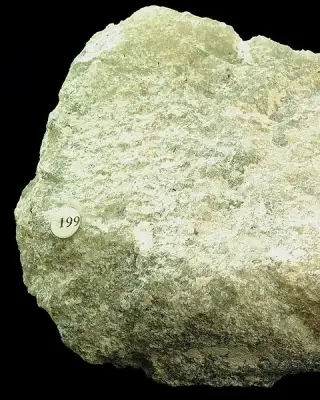 FamilySoapstoneNessa Eull · CC0
 ActinoliteDidier Descouens · CC BY-SA 4.0
 Creativity·CourageAdamiteRobert M. Lavinsky · CC BY-SA 3.0
 ProtectionAgateJames St. John · CC BY 2.0
 Courage·TransformationAjoiteRobert M. Lavinsky · CC BY-SA 3.0
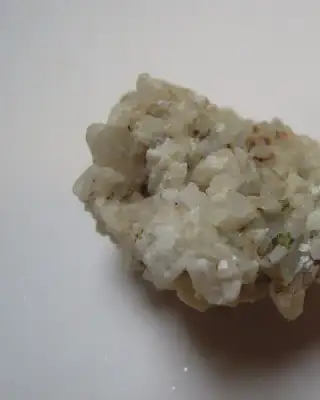 AlbiteJan Helebrant · CC BY-SA 2.0
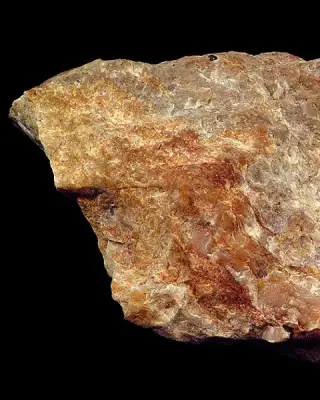 AluniteNessa Eull · CC0
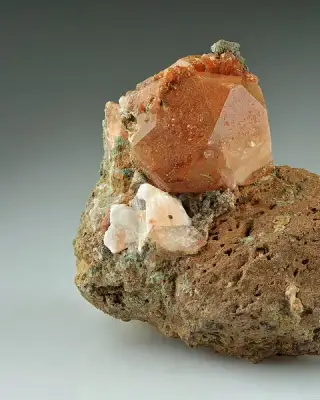 AnalcimeIvar Leidus · CC BY-SA 4.0
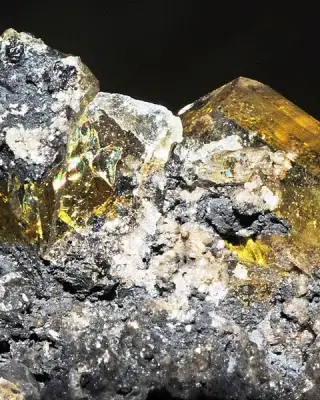 AnglesiteGéry PARENT · CC0
 AnhydriteDidier Descouens · CC BY-SA 3.0
 AnkeriteDarla Sondrol · CC0
 AntigoriteJohn Krygier · Public domain
 AlexandriteParent Géry · Public domain
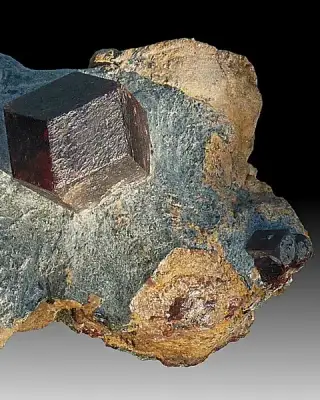 AlmandineJamain · CC BY-SA 3.0
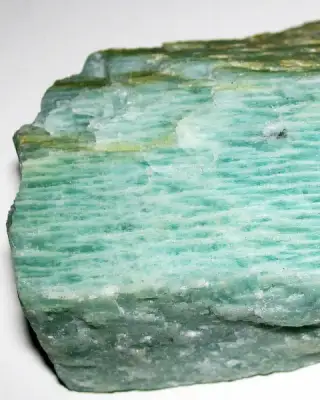 AmazoniteJames St. John · CC BY 2.0
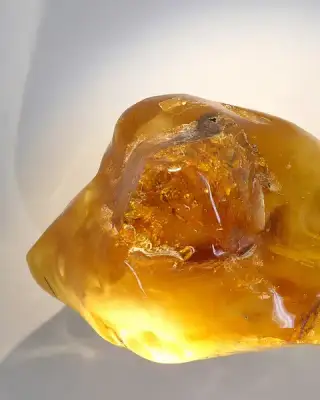 Protection·FamilyAmberHannes Grobe · CC BY-SA 2.5
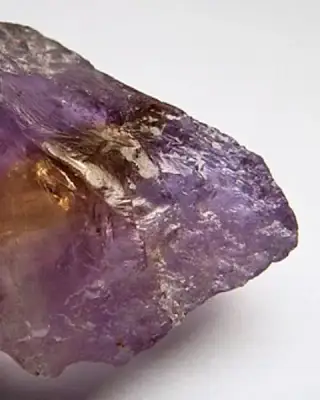 AmetrineRa'ike · CC BY-SA 3.0
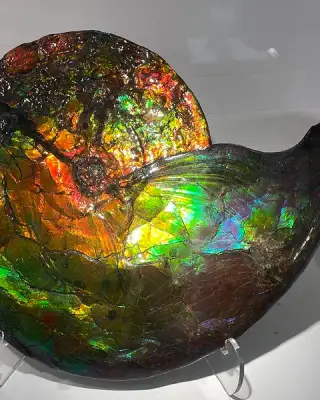 ProtectionAmmoliteA Cynical Idealist · CC BY 4.0
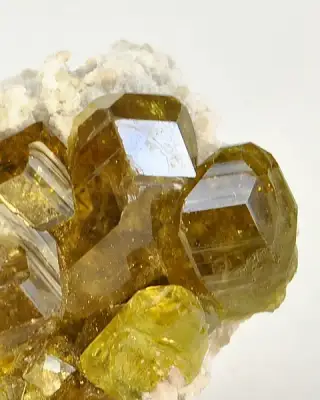 AndraditeRobert M. Lavinsky · CC BY-SA 3.0
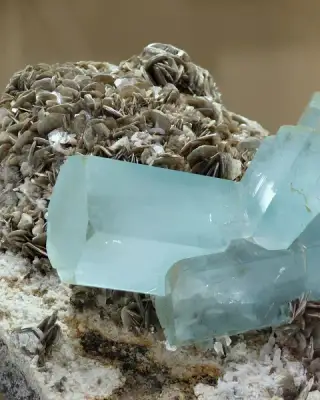 Safe travel·FamilyAquamarineGunnar Ries Amphibol · CC BY-SA 2.5
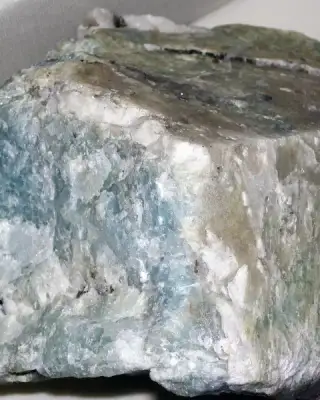 ProtectionBerylJames St. John · CC BY 2.0
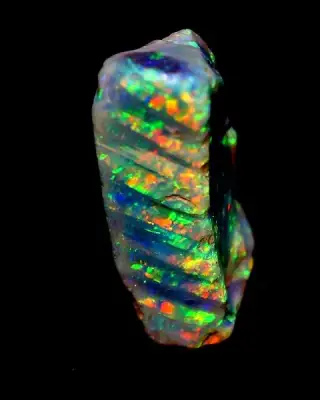 Black opalDanmekis · CC BY-SA 3.0
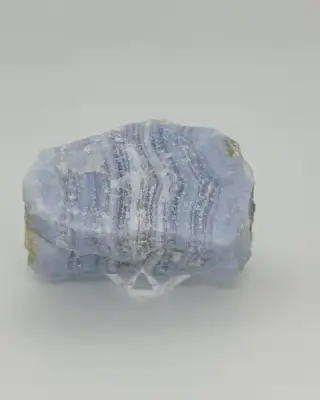 CalmBlue lace agateI2Overcome · CC BY 4.0
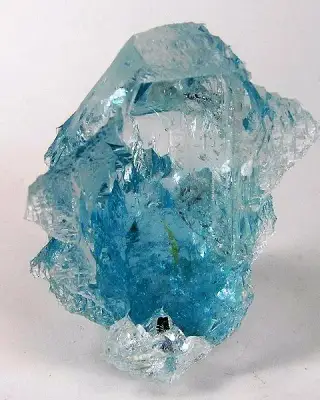 Blue topazRob Lavinsky, iRocks.com · CC BY-SA 3.0