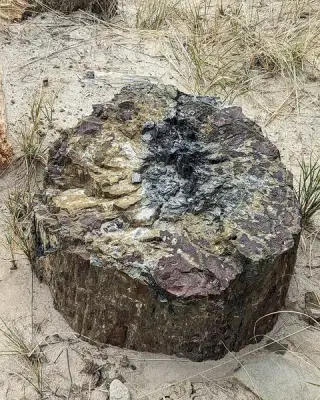
Labradorite is a calcium-rich plagioclase feldspar that can flash blue, green or other colours when turned in the light. The effect, labradorescence, comes from fine internal layers rather than paint on the surface. The name covers a composition range within the feldspar series, so a photograph cannot confirm its exact chemistry.12
- Composition
- (Ca,Na)[Al(Al,Si)Si2O8]calcium-sodium aluminosilicate
- Colour
- Grey, pale green, blue, white
- Luster
- Subvitreous; iridescent on some faces
- Hardness
- 6–6.5Mohs12345678910
- Transparency
- Translucent to opaque
Many pieces look plain grey or dark until one face catches the light. Then a broad sheet of blue, green, gold or mixed colour may appear and vanish with a small change in viewing angle. Move the specimen or camera slowly instead of relying on a single front-facing image. In rough rock, look for blocky feldspar grains and flat cleavage faces; a polished slab may show a patchwork of flashing areas separated by dark boundaries. Not every labradorite shows a dramatic flash, and the strength of the effect depends on crystal orientation and cut. A bright photograph may exaggerate saturation, while a poorly angled photograph may hide a real effect. The flash is useful evidence but does not alone prove species, source or whether a piece has been treated.123
Moonstone is another feldspar with a shifting sheen, but its characteristic glow is usually softer and cloud-like rather than a broad, sharply coloured flash. Iridescent glass and coated stones can show conspicuous colours too, though their internal structure differs. Ordinary feldspar in the same rock may be grey and blocky without labradorescence. A polished piece can obscure cleavage and other context, so a difficult gem needs proper optical and chemical examination, especially when a name such as “blue moonstone” is used in trade.124
Labradorite commonly crystallises as part of an igneous rock while molten material cools. It is a member of the albite–anorthite plagioclase series: calcium and sodium proportions vary rather than making every grain chemically identical. On further cooling, extremely fine layers of differing composition can develop inside some crystals. Light reflected by those layers produces labradorescence when their spacing and viewing angle are suitable. The original feldspar grains can later become part of metamorphic rocks or weather out of an older rock. The colour effect therefore tells something about internal structure, but it does not give a simple clock for when the surrounding rock formed.125
The named early occurrence is Ford Harbour on Paul Island in Labrador's Nain Complex, Canada. Plagioclase of this composition also occurs in igneous rocks elsewhere, including anorthosite and gabbro; USGS describes labradorite-rich rocks in the California Coast Ranges. Collectible material is traded from several countries, but a sample's grey body and blue flash cannot establish which one. Preserve its field or purchase documentation rather than guessing its origin from colour.156
Labradorite with an attractive flash is cut into cabochons, beads and polished decorative slabs. A cutter must orient the surface so the colourful reflection is visible; the same rough block can look very different after rotation. GIA describes the related Finnish trade material “spectrolite” as a labradorite displaying especially broad colour. Feldspar-rich stone is also used decoratively as building or interior material where its appearance and physical suitability fit the job. A display slab and a jewellery stone have different wear risks, and neither should be assessed only by the brightest online image.237
Labradorite takes its name from Labrador, where early mineralogical descriptions came from material in the Nain area. It is now a mineralogical name for a compositional interval of plagioclase rather than proof that every specimen was collected in Labrador. In 2019, Jason Sikoak, an Inuit artist from Rigolet, Nunatsiavut, published a story in Inuktitut magazine about colour remaining in a coastal stone after a hunter released stolen northern lights. That authored retelling is a valuable, traceable cultural source; it should not be flattened into a timeless claim that all Inuit communities tell exactly the same version.18
In a story published by Nunatsiavut artist Jason Sikoak in 2019, an angakok traps the northern lights in a Labrador rock. A hunter strikes it with his harpoon: some of the colours escape into the sky, while others remain in the stone. Turn a piece of labradorite in the light and the ending comes back into view. Today's crystal sellers also associate it with protection and intuition.89
The visible strength, coverage and orientation of the flash can influence collector and jewellery interest, along with size, cut, fractures and documented origin. Labradorite has cleavage planes along which a blow can break it; GIA lists feldspar gems in this hardness range as relatively poor in toughness. Keep polished pieces apart from harder stones, avoid knocks, and clean gently with a soft cloth and mild soapy water if the setting allows. Heat and harsh equipment are poor choices for an uncertain gem. Some feldspar material can be colour-treated, so a photograph cannot certify a natural colour, exact identity or value.1410
- Why does the flash disappear when I turn it?
- The internal layers reflect different wavelengths toward the viewer only at suitable angles.
- Is labradorite a moonstone?
- Both belong to the feldspar family, but the names refer to different material and optical appearances; a trade label should be checked rather than assumed.124
- “Labradorite” — Mindat.org. Accessed 2026-10-01.Open source
- “Optical Effects of Phenomenal Cabochons” — Gemological Institute of America. Accessed 2026-10-01.Open source
- “Labradorite” — Gemological Institute of America, Edward J. Gübelin Collection. Accessed 2026-10-01.Open source
- “Moonstone Care and Cleaning Guide” — Gemological Institute of America. Accessed 2026-10-01.Open source
- “Pre-Elsonian mafic magmatism in the Nain Igneous Complex, Labrador” — U.S. Geological Survey. Accessed 2026-10-01.Open source
- “Quartz gabbro and anorthositic gabbro: Markers of offset along the San Andreas fault” — U.S. Geological Survey. Accessed 2026-10-01.Open source
- “Guide to Phenomenal Gems” — Gemological Institute of America. Accessed 2026-10-01.Open source
- “The Northern Lights of Nunatsiavut” — Jason Sikoak, Inuktitut magazine, Inuit Tapiriit Kanatami, Summer 2019. Accessed 2026-10-01.Open source
- “Labradorite: Meaning, Properties, and Benefits You Should Know” — AllCrystal. Accessed 2026-10-01.Open source
- “Gemstone Durability: Design to Display” — Gemological Institute of America. Accessed 2026-10-01.Open source

 AmethystMinerals
 ObsidianIgneous rocks
 Rose quartzGemstones
 TurquoiseGemstones
 MoonstoneGemstones
 OpalGemstones
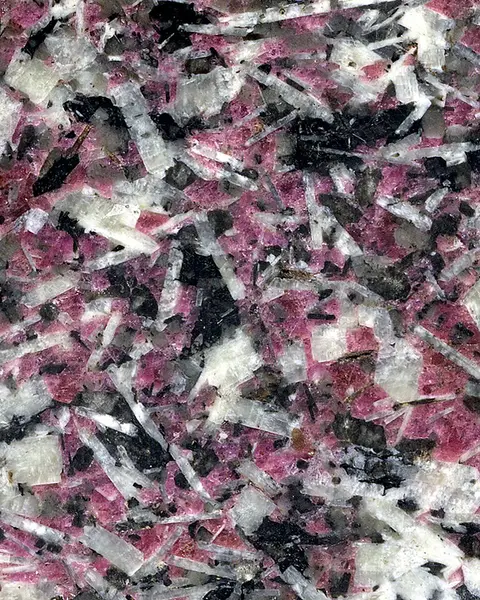 Stone of the dayEudialyteLove · SpiritEudialyte is a complex silicate that can give alkaline rocks streaks and masses of rose red. It belongs to a group of similar minerals, so a red specimen photograph may need a broader group label.Read about itkevinzim · CC BY 2.0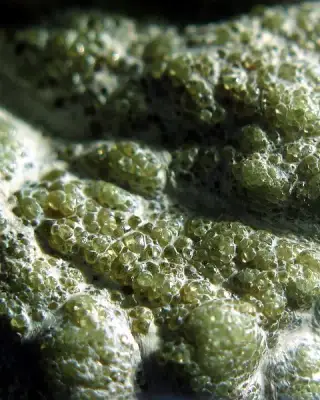
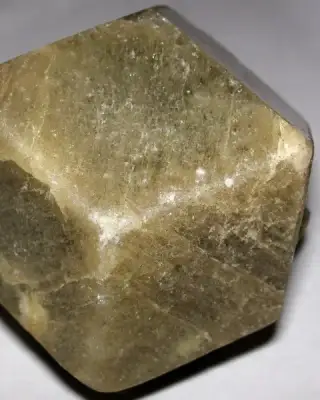
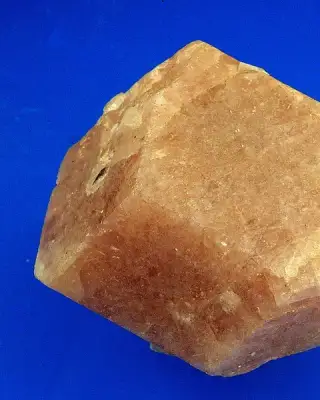
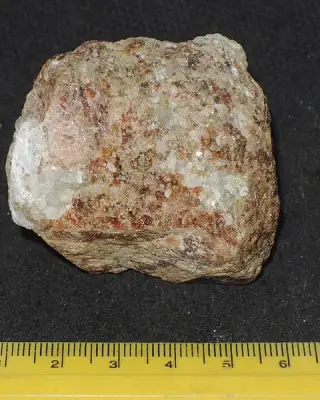
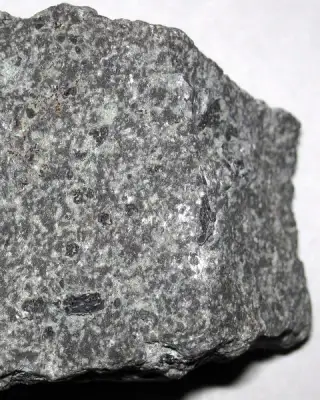 AndesiteJames St. John · CC BY 2.0
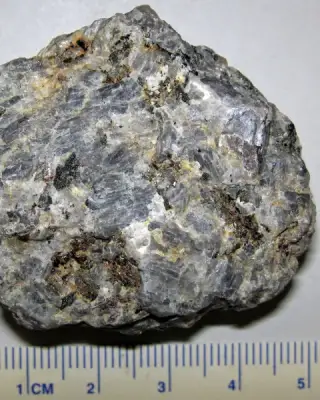 AnorthositeJames St. John · CC BY 2.0
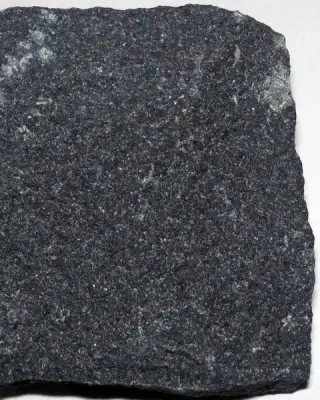 BasaltJames St. John · CC BY 2.0
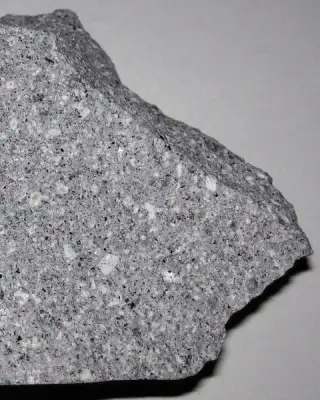 DaciteJames St. John · CC BY 2.0
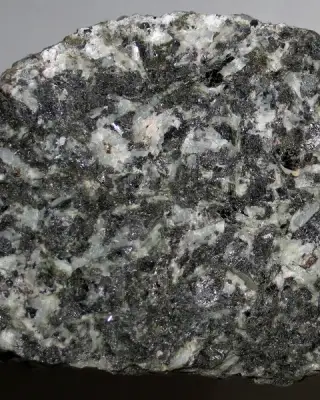 DiabaseJames St. John · CC BY 2.0
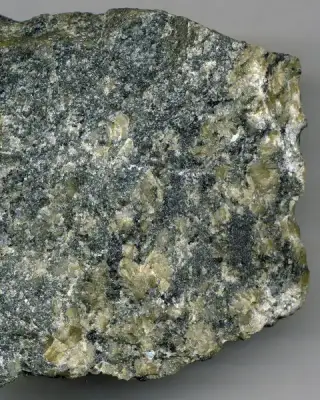 DioriteJames St. John · CC BY 2.0
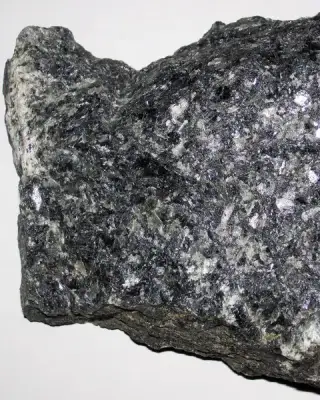 GabbroJames St. John · CC BY 2.0
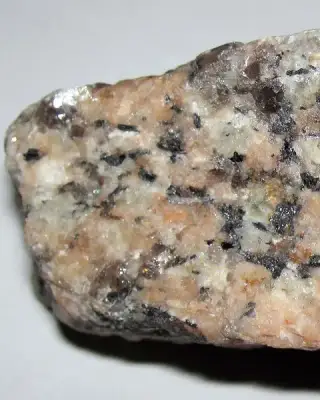 GraniteJames St. John · CC BY 2.0
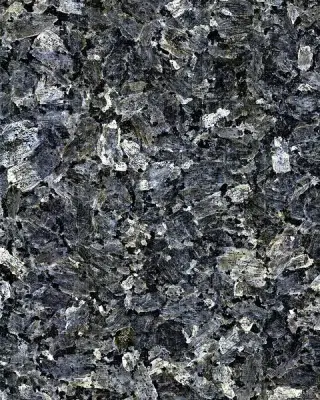 LarvikiteJames St. John · CC BY 2.0
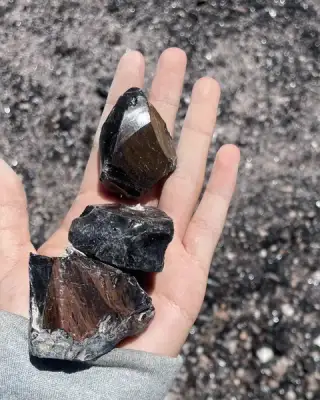 Protection·CourageMahogany obsidianMariana J. Espinoza · CC BY-SA 4.0
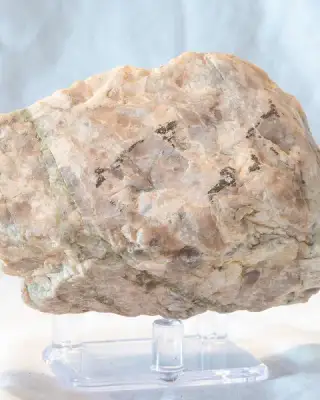 PegmatiteKevin M. Gill · CC BY 4.0
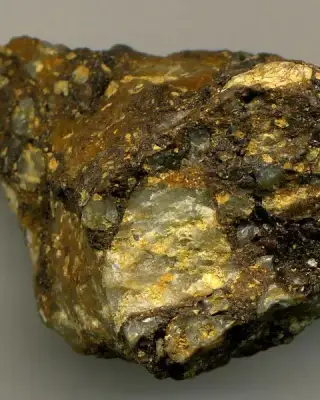 BrecciaJames St. John · CC BY 2.0
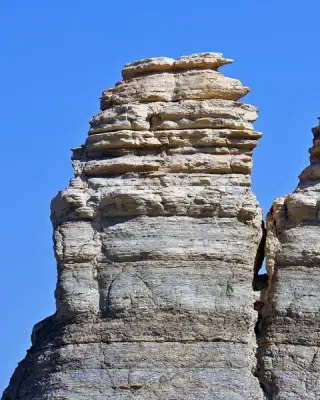 ChalkJames St. John · CC BY 2.0
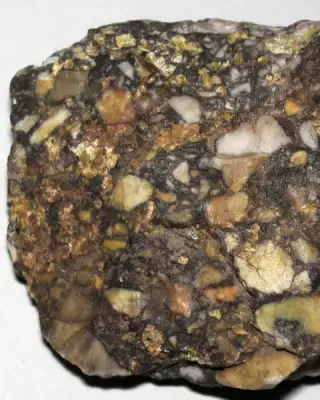 ChertJames St. John · CC BY 2.0
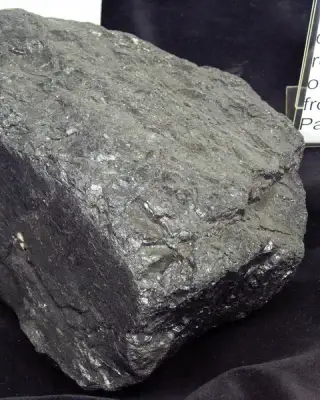 CoalJames St. John · CC BY 2.0
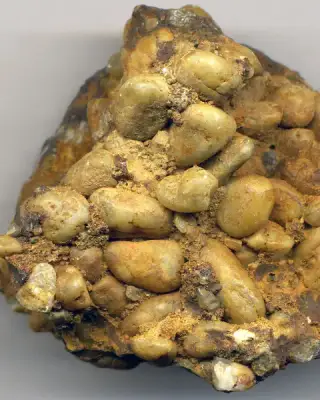 ConglomerateJames St. John · CC BY 2.0
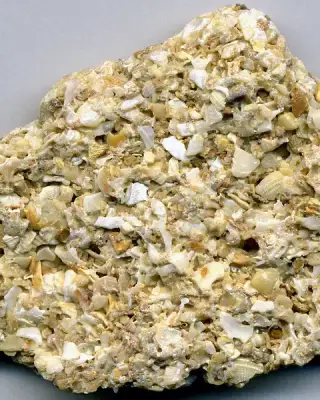 CoquinaJames St. John · CC BY 2.0
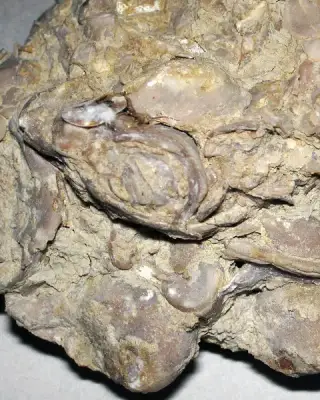 LimestoneJames St. John · CC BY 2.0
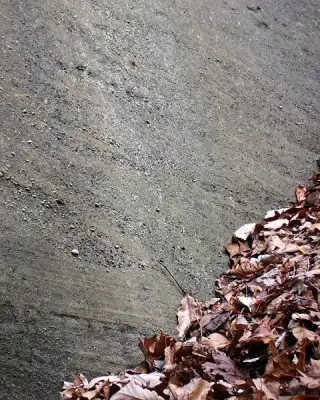 SandstoneJames St. John · CC BY 2.0
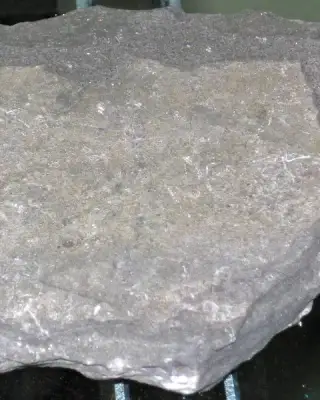 ShaleJames St. John · CC BY 2.0
 SiltstoneJames St. John · CC BY 2.0
 TravertineJames St. John · CC BY 2.0
 AmphiboliteJames St. John · CC BY 2.0
 GneissJames St. John · CC BY 2.0
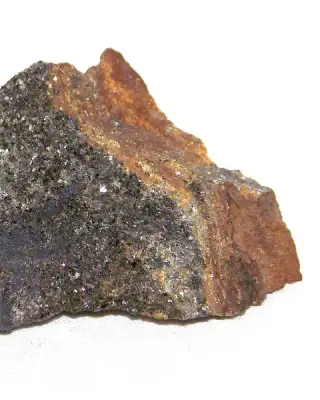 HornfelsPiotr Sosnowski · CC BY-SA 4.0
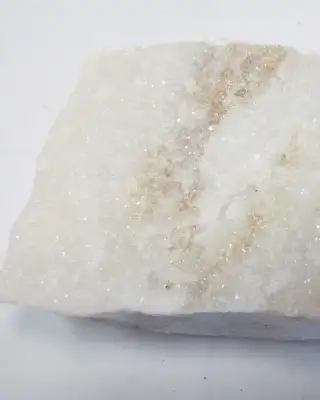 SpiritMarbleAmcyrus2012 · CC BY-SA 4.0
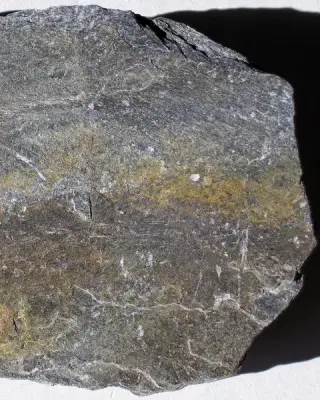 PhylliteJames St. John · CC BY 2.0
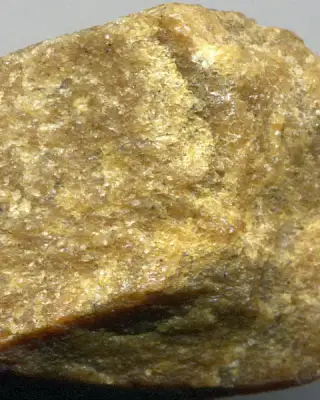 QuartziteJames St. John · CC BY 2.0
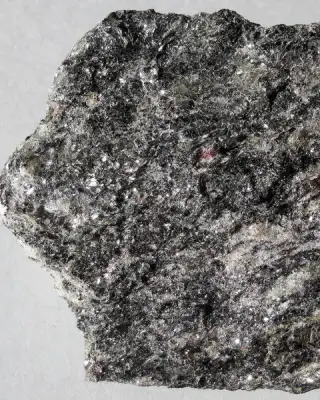 SchistJames St. John · CC BY 2.0
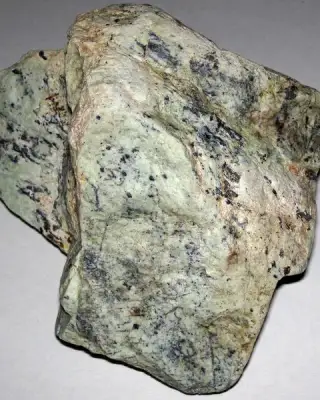 SerpentiniteJames St. John · CC BY 2.0
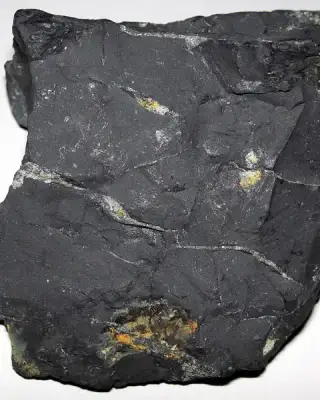 Grounding·Protection·CalmShungiteJames St. John · CC BY 2.0
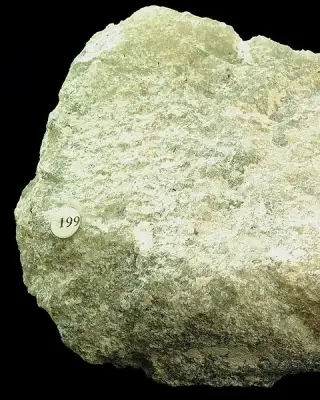 FamilySoapstoneNessa Eull · CC0
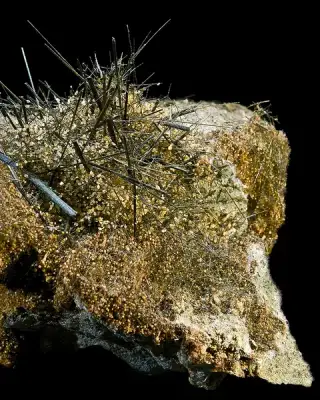 ActinoliteDidier Descouens · CC BY-SA 4.0
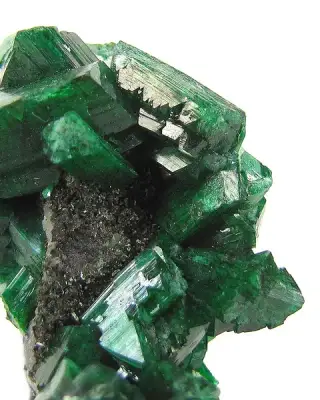 Creativity·CourageAdamiteRobert M. Lavinsky · CC BY-SA 3.0
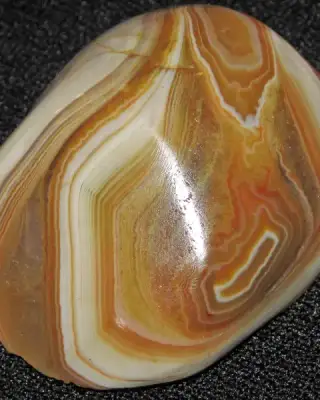 ProtectionAgateJames St. John · CC BY 2.0
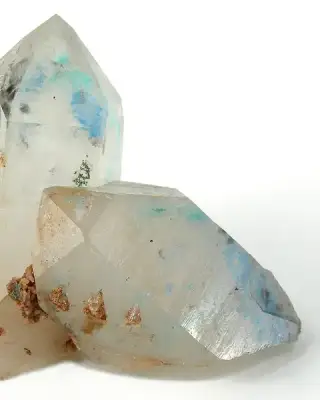 Courage·TransformationAjoiteRobert M. Lavinsky · CC BY-SA 3.0
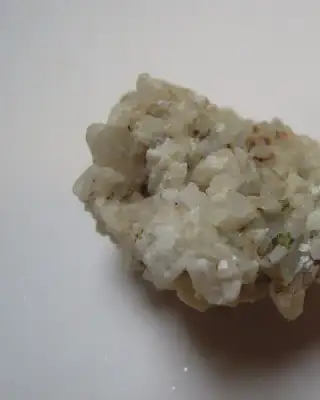 AlbiteJan Helebrant · CC BY-SA 2.0
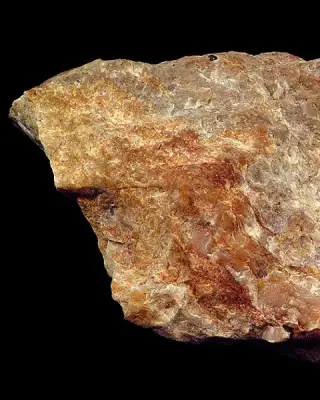 AluniteNessa Eull · CC0
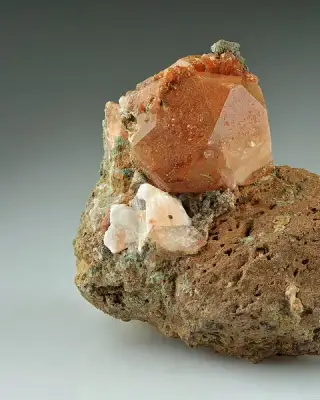 AnalcimeIvar Leidus · CC BY-SA 4.0
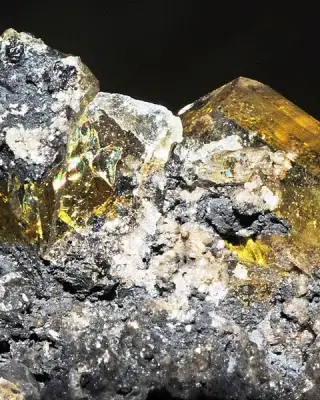 AnglesiteGéry PARENT · CC0
 AnhydriteDidier Descouens · CC BY-SA 3.0
 AnkeriteDarla Sondrol · CC0
 AntigoriteJohn Krygier · Public domain
 AlexandriteParent Géry · Public domain
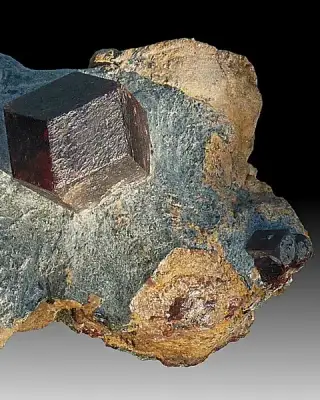 AlmandineJamain · CC BY-SA 3.0
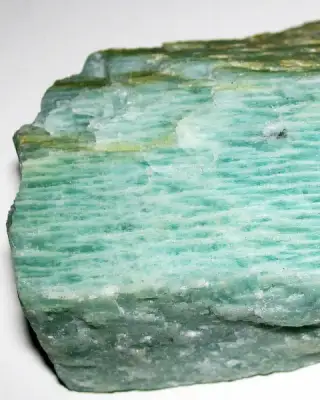 AmazoniteJames St. John · CC BY 2.0
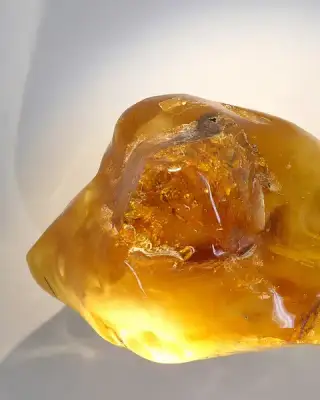 Protection·FamilyAmberHannes Grobe · CC BY-SA 2.5
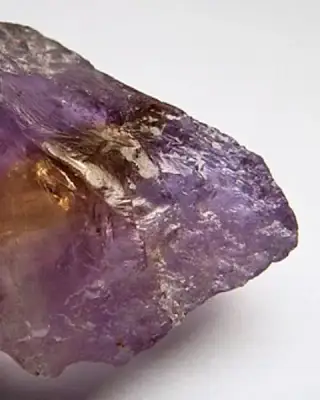 AmetrineRa'ike · CC BY-SA 3.0
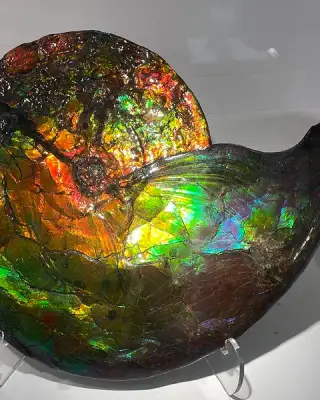 ProtectionAmmoliteA Cynical Idealist · CC BY 4.0
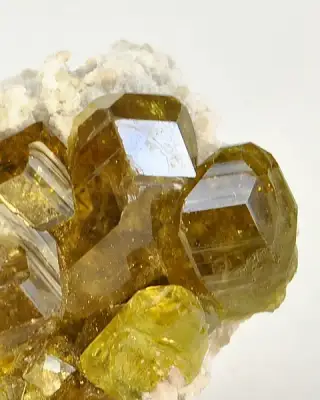 AndraditeRobert M. Lavinsky · CC BY-SA 3.0
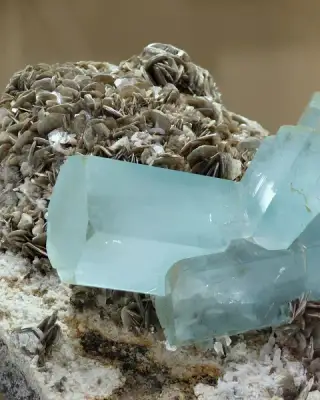 Safe travel·FamilyAquamarineGunnar Ries Amphibol · CC BY-SA 2.5
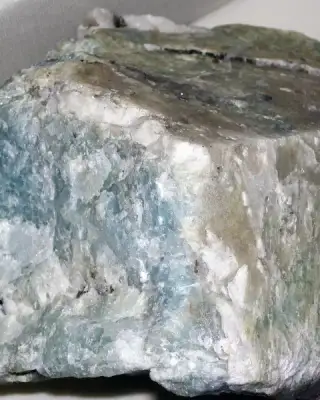 ProtectionBerylJames St. John · CC BY 2.0
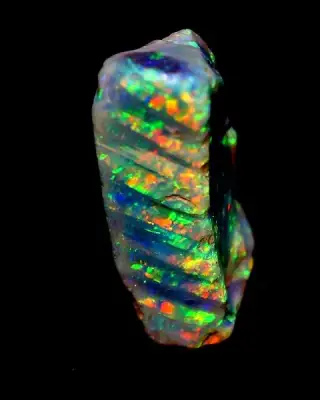 Black opalDanmekis · CC BY-SA 3.0
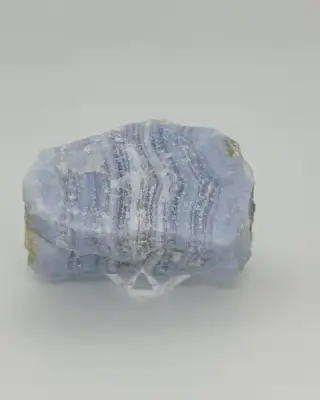 CalmBlue lace agateI2Overcome · CC BY 4.0
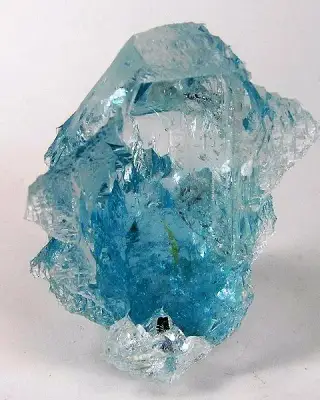 Blue topazRob Lavinsky, iRocks.com · CC BY-SA 3.0